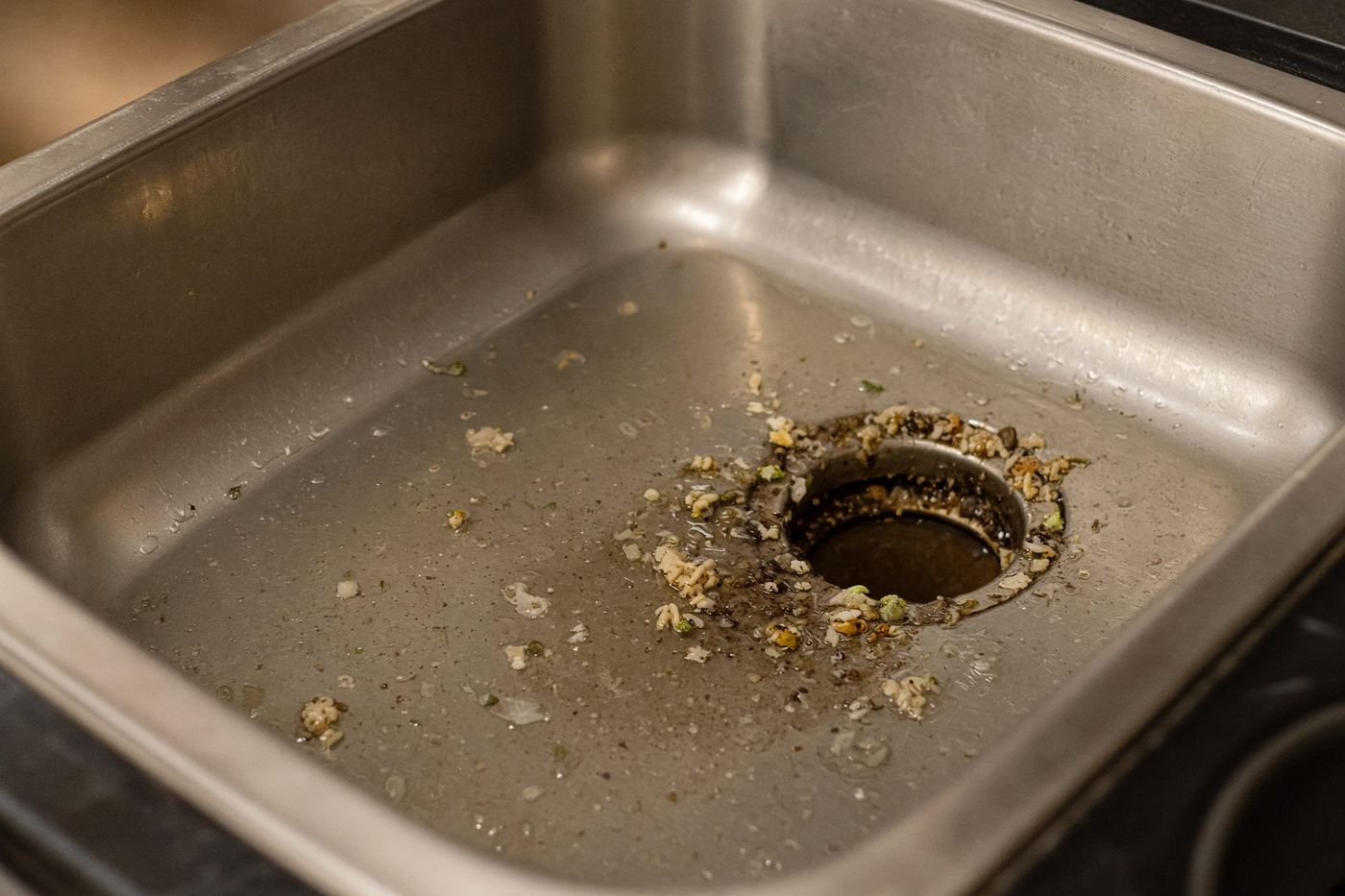
There is a reason cheap drain-cleaning offers get attention: when a sink will not drain or a shower is filling around your ankles, you want the fastest, least expensive answer.
Sometimes a basic snake is exactly the right answer. Sometimes it clears a small path through a much bigger problem and the clog comes back days or weeks later.
The difference matters because the goal should not be to sell the most aggressive service. It should be to match the tool to what is actually inside the pipe and why the blockage happened.
What a drain snake does well
A plumbing snake, or auger, is designed to travel through a drain and break through or retrieve a blockage. It can be very effective for localized obstructions such as hair, paper, small soft clogs and some buildup.
If one bathroom sink is slow and every other fixture drains normally, a localized mechanical cleaning may be all you need.
Snaking is often attractive because it can be quick and minimally invasive. The limitation is that creating a path through the blockage is not always the same thing as fully cleaning the pipe.
The first warning sign: the clog keeps coming back
A recurring clog is not just bad luck. It is a clue.
If the same line has been cleared multiple times and repeatedly slows or backs up, ask why. Grease may be coating the pipe. Roots may be entering a sewer joint. A section of pipe may be damaged or misaligned. Heavy scale or debris may be reducing the effective diameter.
Repeatedly paying to reopen the same path without identifying the cause can become more expensive than diagnosing the line properly.
The second warning sign: several fixtures are affected
One slow sink often points to a local problem. Multiple fixtures reacting at the same time can indicate a blockage farther downstream.
Examples include a toilet that bubbles when a sink drains, a shower that fills when the washing machine discharges, or sewage appearing at a lower fixture when another part of the home is used.
Those symptoms deserve more attention than a single isolated clog because they may involve the main building drain or sewer lateral.
The third warning sign: you hear “we got it flowing” but nobody can explain the cause
Flow is good. Diagnosis is better.
If a line backs up repeatedly, ask what the plumber found. Was there grease? Roots? Wipes? A foreign object? Heavy buildup? Was the obstruction at a known distance from an access point?
For significant or recurring sewer problems, a camera inspection after the line has been cleared can be extremely useful. The camera may reveal root intrusion, cracks, offsets, corrosion, a belly or other conditions that a cable alone cannot describe.
A camera is not a magic answer either. Its value depends on whether the line is clear enough to see and whether the footage is interpreted honestly.
When hydro jetting enters the conversation
Hydro jetting uses high-pressure water delivered through specialized nozzles to scour buildup from the inside of a drain or sewer line. It can be effective for grease, sludge and certain types of accumulated debris that a cable may only punch through.
That does not mean every clog needs hydro jetting. It should be selected based on the condition of the pipe and the nature of the blockage.
Older or compromised piping should be evaluated before aggressive cleaning. The right plumber should care about the pipe, not just the machine.
Roots are a different category
Mature landscaping is common throughout Los Angeles, and roots can exploit openings in sewer lines in search of moisture. Cutting roots may restore flow temporarily, but if they are entering through a damaged joint or crack, they can grow back.
That is why a recurring “root problem” should eventually lead to a structural question: How are the roots getting in?
Camera footage can help determine whether ongoing maintenance is a reasonable strategy or whether a repair should be considered.
Be careful with the cheapest advertised special
A promotional drain-cleaning price is not automatically suspicious. The important part is understanding the conditions attached to it.
Before scheduling, ask:
- Does the price apply to the specific type of drain I have?
- Is accessible cleanout access required?
- Is camera inspection included or separate?
- What happens if the blockage cannot be cleared with the basic method?
- Will I receive a price before additional work begins?
- Is the offer for clearing the line only, or does it include diagnosing a recurring issue?
Those questions make it much harder for a small advertised price to become an unexpectedly large invoice.
A simple decision guide
One isolated clog, first occurrence: A basic mechanical cleaning may be enough.
Same clog repeatedly returns: Ask for diagnosis, not just another clearing.
Several fixtures are backing up: Treat it as a possible main-line problem.
Heavy grease or recurring buildup: Hydro jetting may be worth discussing.
Suspected roots or structural damage: A camera inspection is often the next logical step after the line is open.
Camera shows a damaged section: Compare repair options rather than paying indefinitely for temporary clearing.
Why this matters for homeowners
The best drain service is not the one with the biggest machine. It is the one that solves the problem with the least unnecessary work.
Sometimes that means a simple snake. Sometimes it means cleaning the entire internal surface of the pipe. Sometimes it means documenting damage and fixing a broken section.
If your Los Angeles drain has been cleared more than once and keeps coming back, stop treating every backup as a brand-new event. Ask what is causing the pattern. A clear diagnosis can save money, prevent mess and help you choose between maintenance and repair with much more confidence.
Talk with Extreme Plumbing & Rooter
Extreme Plumbing & Rooter is a licensed Los Angeles plumbing company (CA #1086230) serving homes and businesses 24/7. If you want a clear diagnosis and a free, no-pressure estimate, call (818) 631-7296 or send a short message.